
Kazakhstan invests in the development of dairy farming
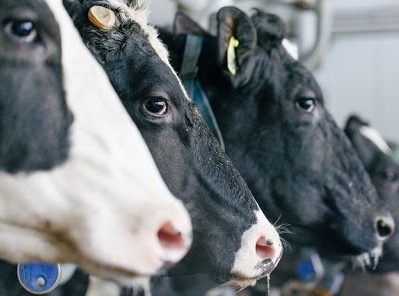 Kazakhstan will invest 49 billion tenge ($ 113.87 million) in the development of milk production, thanks to which 28 new dairy complexes will be created in the republic. Thus, milk production will increase by 127,300 tons. At the same time, it is planned to open 25 complexes this year.
 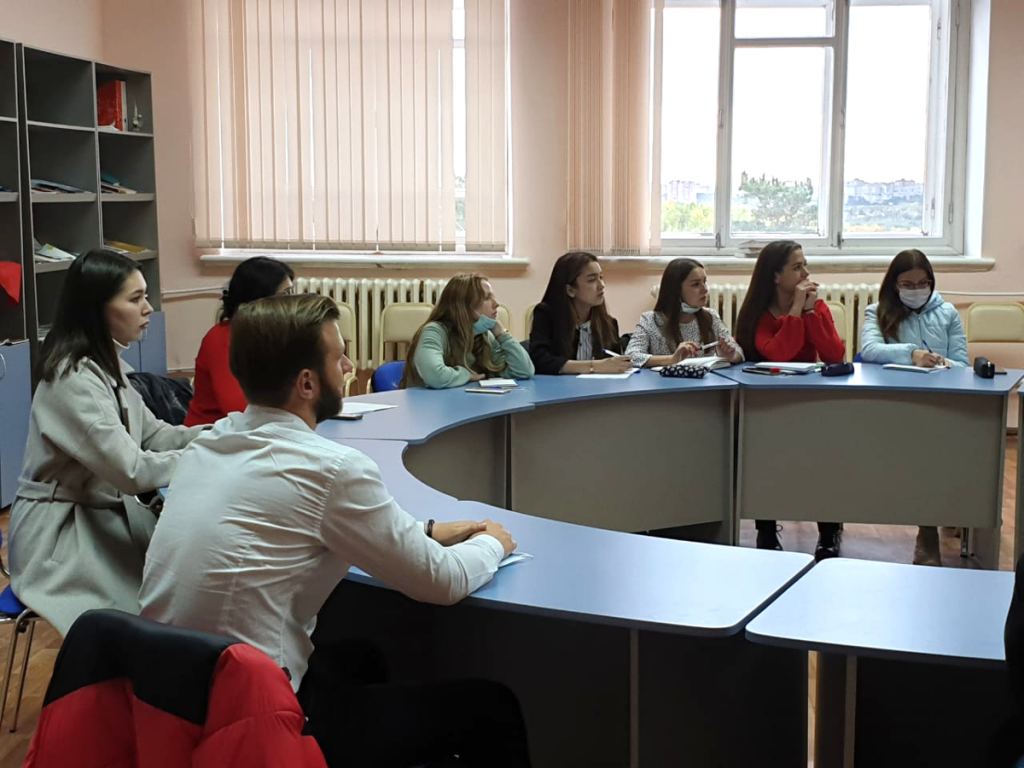 On September 17, a meeting of the OmSAU Intercultural Student Center (Omsky Biocluster member) took place. The agenda included the presentation of the most interesting programs of international student mobility, research abroad and internships in other countries.
 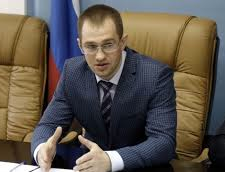 On September 22-23 a working visit of the Omsky Biocluster to the Government of the Kurgan region took place. Working meetings were held with the Deputy Chairman of the Government of the Kurgan Region Vladimir Arkhipov, heads of departments, municipalities and development institutions, universities. The visit took place at the invitation of the Government of the Kurgan region.
 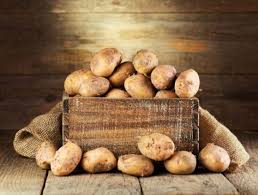 Often during storage, potato tubers undergo deterioration, so that this does not happen, the specialists of the Omsk Reference Center (Omsky Biocluster member) recommend that two weeks before loading the potatoes for storage, whiten the inner surfaces of the storage with a solution of freshly slaked lime with the addition of copper sulfate (2 kg of lime and 100 g of copper sulfate per 10 liters of water).
 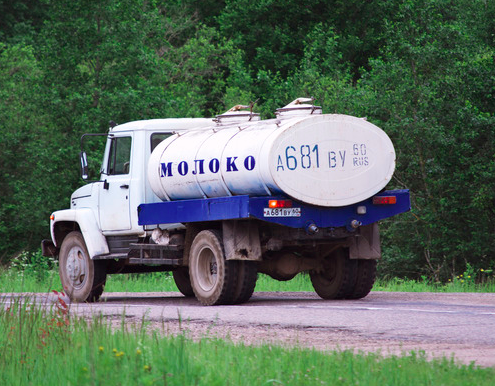 The volume of exports of Russian dairy products in January-July 2020 exceeded the level of 2019 by 26%, to 483,000 tons in milk equivalent in the amount of $ 210.0 million (+ 14%).
 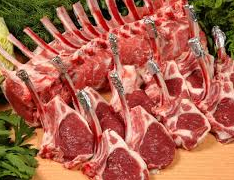 Damate Group, as part of a mutton production project in the North Caucasus, has begun reconstruction of the Kavkaz Myaso slaughter plant in Cherkessk. Investments in modernization of production will amount to RUR 2.7 billion ($ 34.55 million), according to the company press release.
  Agricultural products, dairy, meat and feed products can be hazardous to human and animal health due to the content of such hazardous elements as lead, cadmium, mercury, arsenic and other metals. They enter the human body through polluted air, water, soil and consumer goods. The main source of heavy metals is food, therefore, the content of these elements in them and in food raw materials is strictly standardized by sanitary standards.
 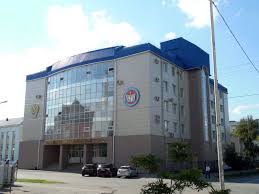 On September 22, a working meeting of the Omsky Biocluster CEO Dmitry Romanenko with the rector of Kurgan State University Nadezhda Dubiv and the acting rector of the Kurgan State Agricultural Academy Vladimir Chumakov took place.