
Omsk region plans in 2018 to harvest at least 3m tons grains
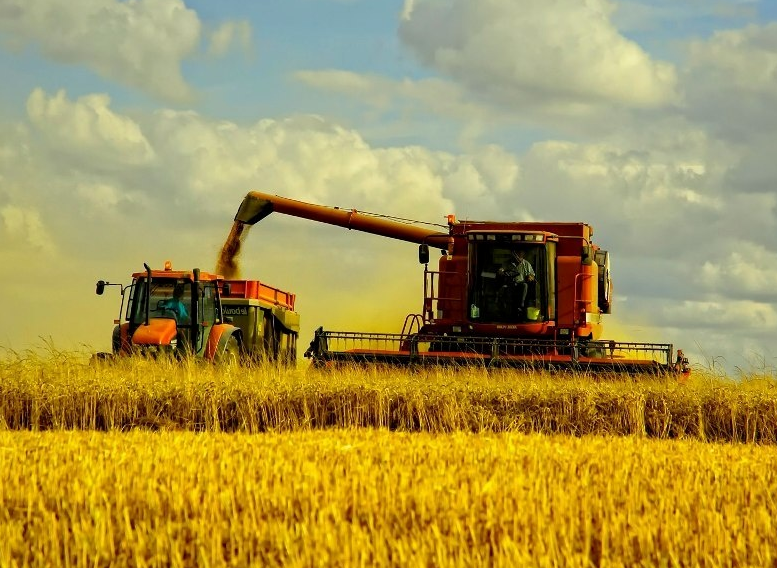 Omsk region plans to harvest at least 3m tons of grain this year, despite a prolonged sowing campaign due to the anomalously cold and wet spring, the Ministry of Agriculture and Food of Omsk region reported.
 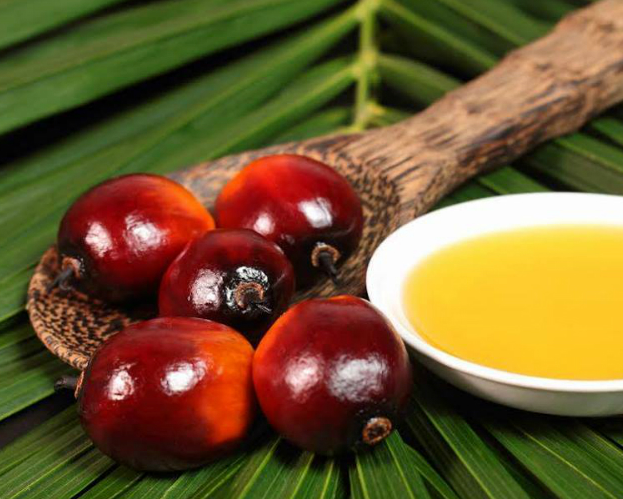 In January-April 2018, Russia increased the import of palm oil and its fractions by 26.3% in physical terms, compared to the same period last year - up to 335 thousand tons, according to Rosstat.
  According to forecasts, China in 2018 expects a decrease in gross wheat harvest by about 20% compared to the level of the previous year, which will be caused by unfavorable weather conditions in the main cereal-producing regions, reports Reuters.
 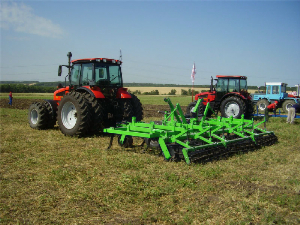 June 21, Pushkinsky Farm became a meeting place for Omsk agricultural producers, the agenda included issues of modern technologies for cultivating crops in Western Siberia. The accent of the event was focused on the cultivation and harvesting of quality fodder for livestock. The seminar was attended by managers and chief specialists of enterprises of the agro-industrial complex of the region, researchers, representatives of authorities and municipalities.
 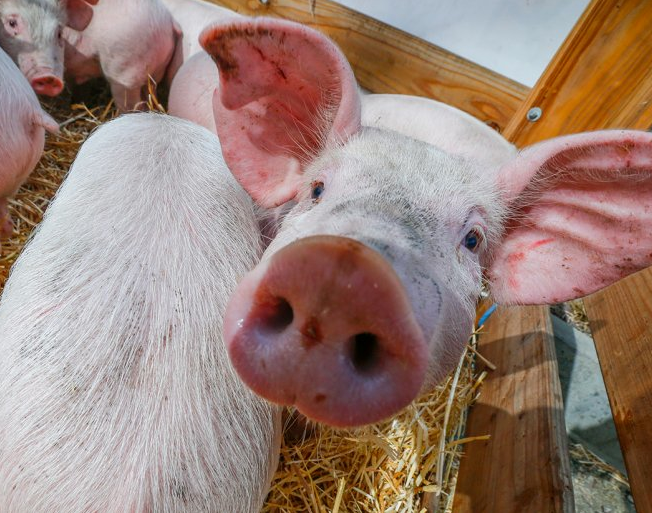 Scientists have produced pigs that can resist one of the world’s most costly animal diseases, by changing their genetic code. Tests with the virus – called Porcine Reproductive and Respiratory Syndrome, or PRRS – found the pigs do not become infected at all. The animals show no signs that the change in their DNA has had any other impact on their health or wellbeing.
 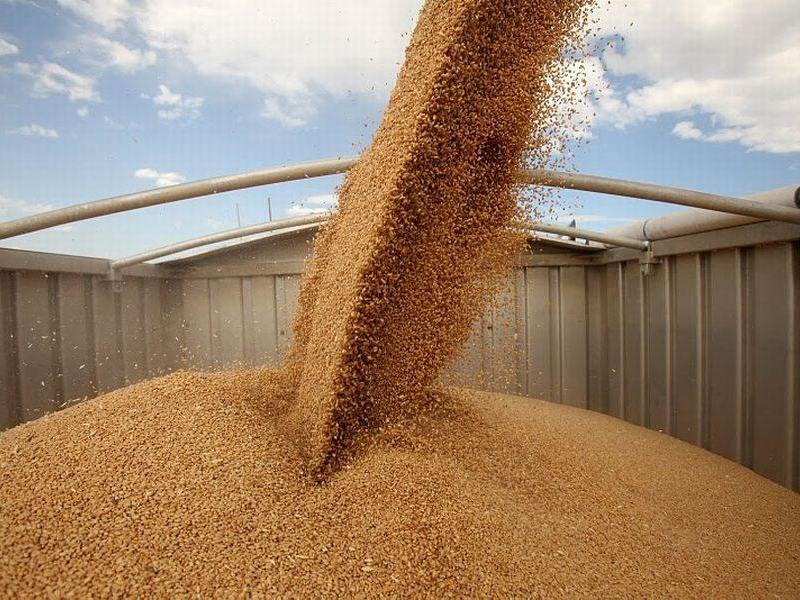 The Ministry of Agriculture of the Russian Federation suggests reducing from 13 to 5 the number of regions receiving subsidies for grain transportation by rail. The use of this support measure is proposed to be extended until June 30, 2019.
  Head of EkoNiva Holding Stefan Duerr at a plenary meeting of the Federation Council discussed the reasons that hamper the development of the domestic agro industry.
  Omsk has become a venue for celebrations dedicated to the 100th anniversary of the founding of Omsk State Agrarian University (member of Omsky Biocluster), one of the leading universities of the agricultural profile in the Russian Federation.