
M.Oreshkin: Russia does not see risks in the dispute with the WTO on pork
 Russia does not see the risk of losing the dispute in the WTO about the legitimacy of restricting imports of European pork, TASS quotes the words of the Minister of Economic Development of Russia Maxim Oreshkin, told journalists on the sidelines of the World Economic Forum in Davos.
  January 30, a meeting of the Council of the Omsk Chamber of Commerce and Industry (member of Omsky Biocluster) was held. Members of the Council approved the list of main events for 2018 and considered organizational issues of the Chamber's work.
 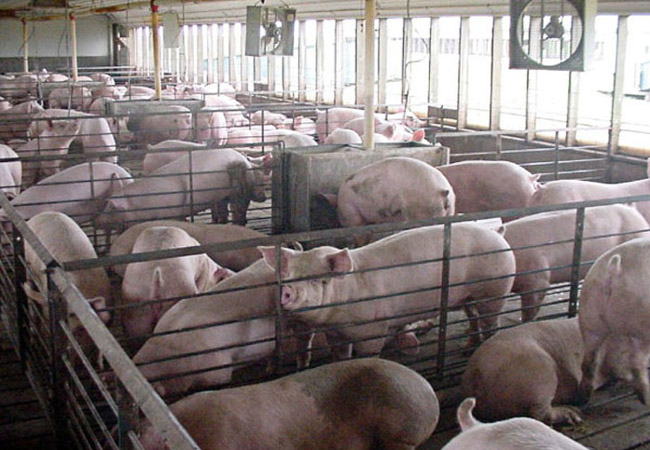 Federal Service for Veterinary and Phytosanitary Surveillance (FSVPS) for Tyumen region, the Yamalo-Nenetsky and the Khanty-Mansiysky Autonomous Okrugs summed up the results of targeted inspections of the level of biological protection at enterprises engaged in pig production. In most cases, their results were disappointing.
 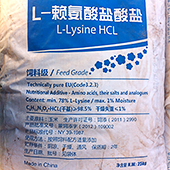 "The closure of the import of fodder lysine from a number of Chinese enterprises has caused a reorientation of supplies of Chinese lysine for supplies from Indonesia, Brazil, South Korea and France," the National Feed Union said in a statement posted on its official website.
 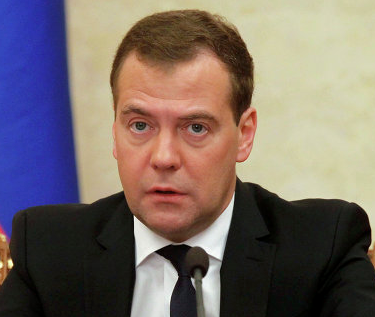 Russian Prime Minister Dmitry Medvedev instructed the Ministry of Agriculture, the Ministry of Finance and the Ministry of Economic Development to think over state support to agricultural producers, which restore the fertility of long unused agricultural lands, according to the government website.
  Dozens of new regional brands may appear in Russia after the 'Vologda Butter' and 'Belevian Pastille'. Registration of rights to them will be facilitated by the appearance in the Civil Code of a new concept - 'geographical indication'. Experts note that this will change the rules of the game in the market. A great importance in marketing positioning will receive an indication of the origin of the goods.
 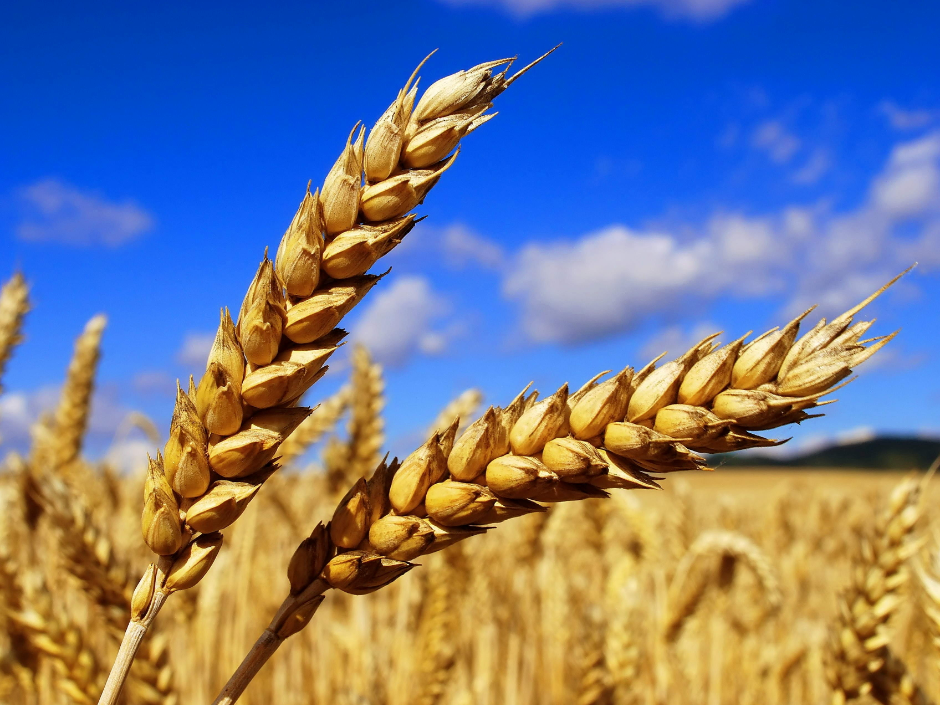 According to Russian customs data, as of January 24, the Russian grain exports since the beginning of the season was 29.8 million tons, which is 35% higher than the same period of 2016/17 (22 million tons), the press service of the Russian Agriculture Ministry reported on January 26.
 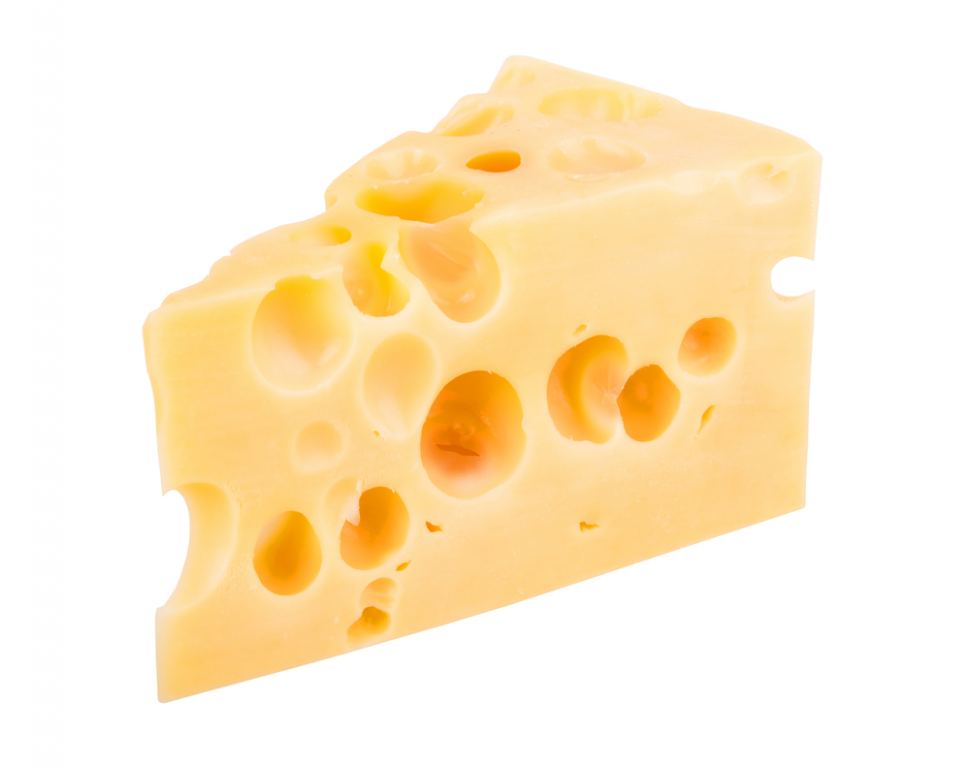 Russia has a cheese proficit, a forecast published by the Russian Dairy Research Center. So, in 2016, the excess cheese amounted to 65 667 tons, and by the end of 2017 this figure can increase to 96 thousand tons.